
Nowadays vehicles are not only judged by their appearance and convenience but also by a large number of technical capabilities and functions. In addition, various sensors and devices are now being used in them, without which their functioning is almost impossible. Such innovations have led to the appearance of a special type of car diagnostic services. Using special scanners, they can quickly find the cause of the malfunction and solve it. However, how reliable and precise are such methods? What details and modes of the car can check? And most importantly, can the driver trust such services and how exactly they work? All these questions are of great interest to many car owners, as well as to those who want to find out how exactly modern vehicles work.
Understanding How Car Diagnostics Work
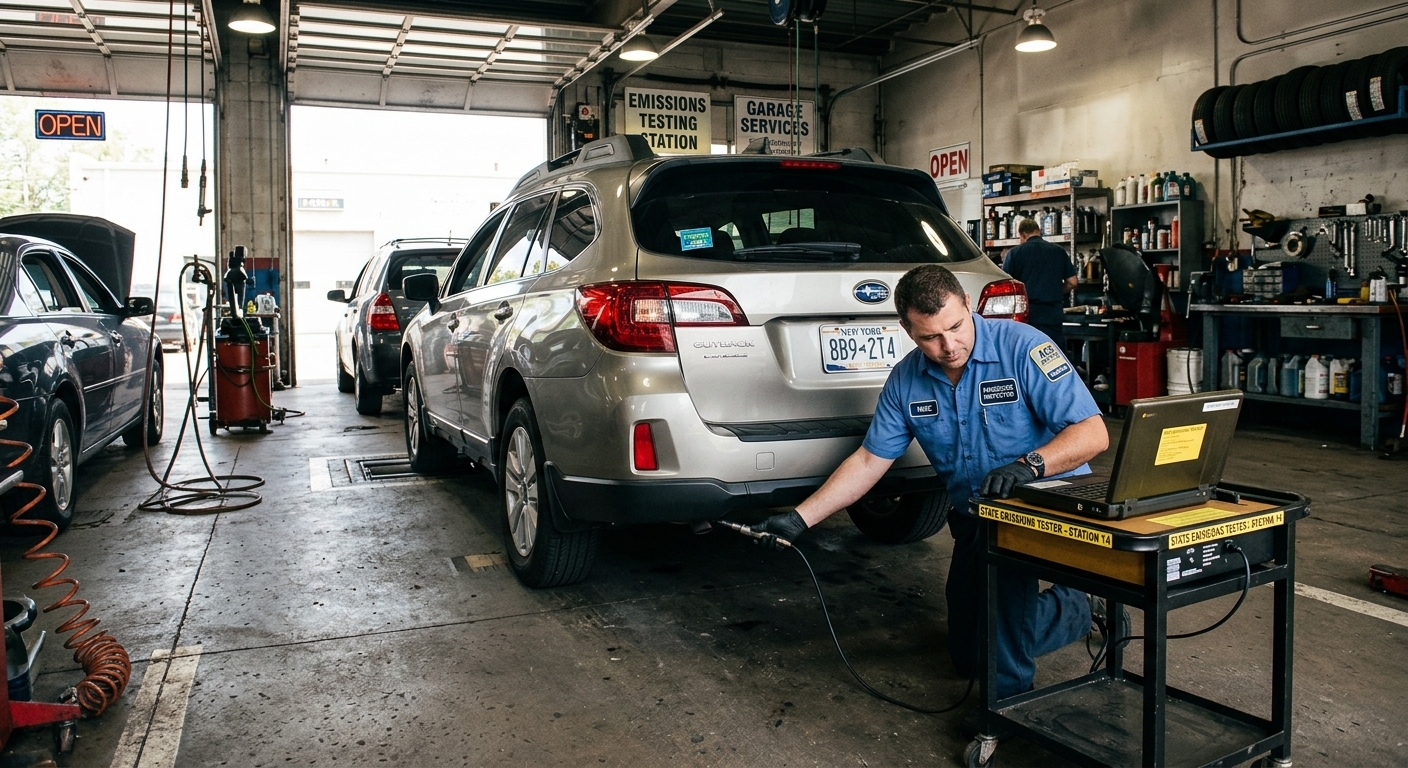
The central part of modern diagnostics is the vehicle’s computerized control unit, known as the ECU or Engine Control Unit. This system continually checks various components via sensors located across the vehicle. Whenever something goes wrong, the system writes down a certain fault code. This means it is a diagnostic tool.
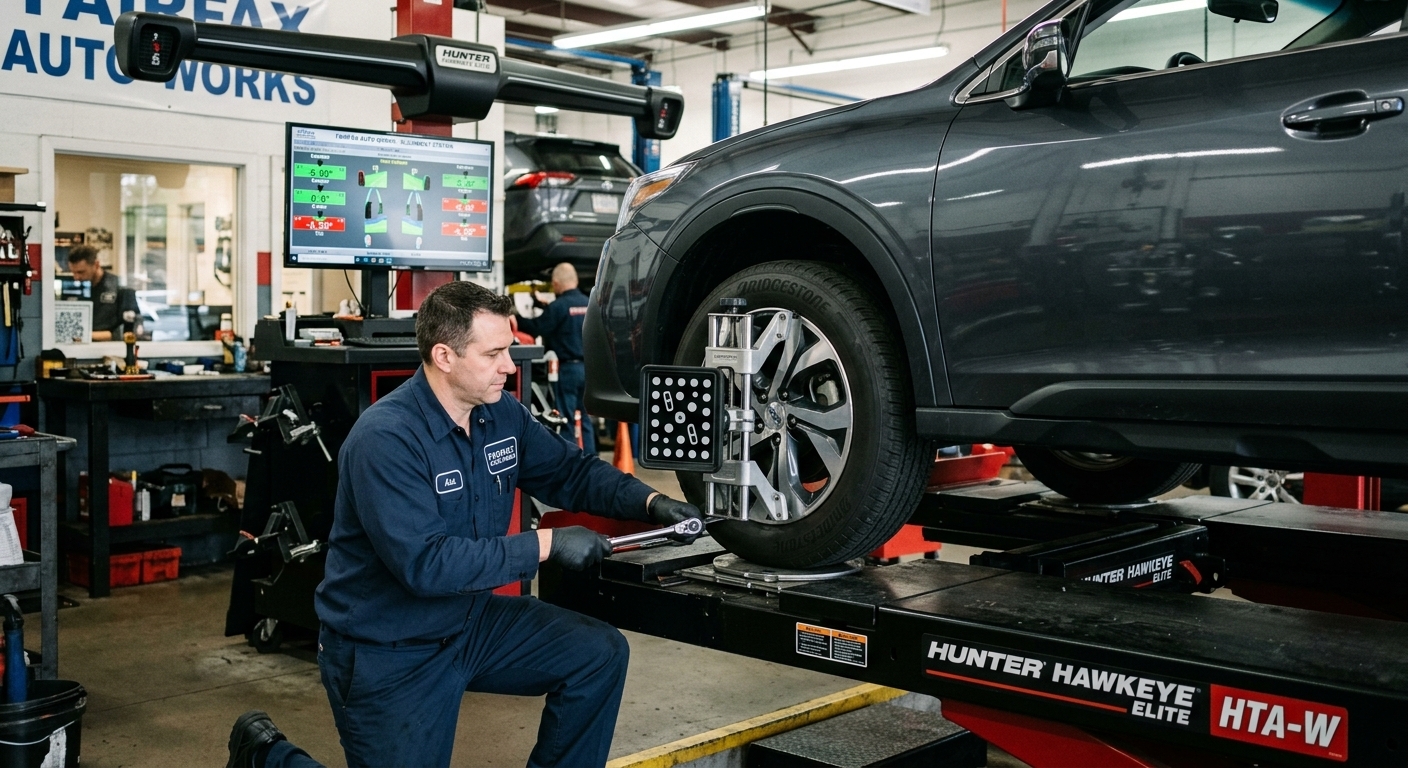
The latter not only helps read the fault codes but also provides information about the performance of your vehicle in terms of its fuel economy, timing of the engine, emissions etc. Professional mechanics analyze this information in order to accurately diagnose the problem, thus saving time and improving the efficiency of repair. Many times, combining diagnostics with services such as wheel balancing service makes sure that there are no hidden mechanical problems.
The Accuracy of Modern Diagnostic Technology
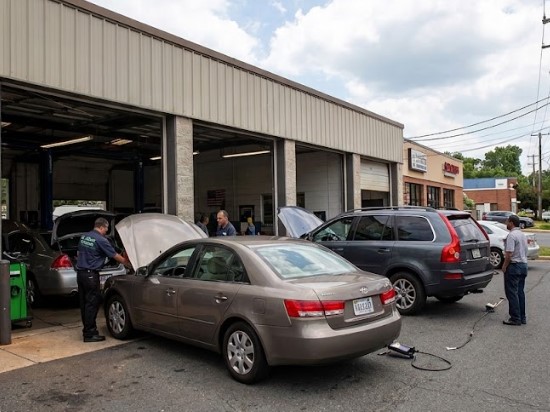
Highly sophisticated modern diagnostic techniques can spot even slight anomalies. Their precision, nevertheless, relies on a number of elements including the caliber of the tools and the experience of the technician utilizing it. Professional workshop systems, especially those providing Virginia auto service tend to give more accurate findings than do simple scanners.
Real-time data tracking is one big benefit. Technicians can clearly observe what is going on within the engine and other systems instead of depending on a hypothesis. This reduces the likelihood of unneeded repairs and misdiagnosis. Still, the technology is not completely perfect even if it is fantastic.
Factors That Influence Diagnostic Accuracy
Even the most advanced systems may produce false readings with the omission of certain parts. Accuracy depends on the whole process, not only the instrument.
- Fault codes may indicate symptoms rather than root causes
- Sensor malfunctions can provide incorrect readings
- Software updates are necessary for newer vehicle models
- Poor calibration of tools can affect results
These elements cause seasoned specialists to usually mix physical exams with diagnostics. For instance, a vibration issue found by diagnostics can also call for a wheel balancing service to totally fix the issue.
Human Expertise Still Matters
Even with automation on the rise, human knowledge is still very important for proper diagnosis. A machine can find a fault code, but properly understanding that code calls on experience. Skilled experts, particularly those employed at recognized Virginia auto service businesses, understand how to link several data points.
For example, two cars could exhibit the same mistake code but demand totally different fixes. These subtleties are appreciated by a qualified technician, who also makes sure the correct repair is done the first time. Modern diagnostics really work because technology and human judgment are in balance.
Common Issues Detected Through Diagnostics
Modern diagnostic tools can find a lot of issues in many vehicle systems. From engine performance to safety features, these tools give you a full picture of the shape of your car.
- Engine misfires and fuel system issues
- Transmission irregularities
- Brake system warnings
- Suspension and alignment concerns
- Electrical and battery faults
Early attention to these problems, together with services like wheel balancing service, will help to prevent more significant damage and enhance general driving comfort.
Limitations of Car Diagnostic Systems
Car diagnostic services are extremely helpful but not perfect. One of the main restrictions is their great dependence on sensors. The whole diagnosis might be compromised if a sensor malfunctions or delivers inaccurate information. This is why manual inspections of professional workshops – including reliable Virginia auto service companies – always confirm findings.
Not all issues cause a fault code either; this is still another restriction. The system could miss some mechanical issues, including component wear or small alignment errors. This emphasizes the need for regular upkeep in addition to testing.
What Our Customers Say on Yelp & Google
Our customers consistently share wonderful feedback about their experiences. As Arte S noted on Yelp, “I’ve been going there for over three years now. Tony has a great team of certified professionals with friendly customer service offering competitive prices. It is a reliable place to go back.” This sentiment is echoed across Google reviews as well, with Kaitlynn sharing that the staff is “very helpful and friendly… transparent with their work and let you see exactly what they’re doing,” Eric Hooper praising the shop as “very professional and honest,” and Jessica Hancock highlighting how the team helped them get in and out immediately when their battery died.
The Role of Advanced Software and Updates
Vehicle companies always update their software solutions to improve performance and correct recognized problems. To stay current for correctness, diagnostic tools also have to be modernised. Software that is no longer current can cause mistakes in readings or unnoticed problems.
Modern workshops using the most recent technology, particularly those providing auto service, are handled better. They may reach manufacturer-specific data, therefore guaranteeing a greater level of diagnostic accuracy. A more thorough maintenance plan results from combining modern instruments with services like wheel balancing service.
Are DIY Diagnostic Tools Reliable?
Many vehicle owners try to identify problems on their own given cheap OBD-II scanners. These tools could offer basic information, but they usually lack the depth and correctness of expert systems.
Though they might not offer thorough insights or background, Car diagnostic services help to highlight general problems. Misunderstanding a fault code could cause needless repairs or missed issues. For a thorough and precise diagnosis, therefore, it is always advised to see specialists—especially those in well-known auto service facilities.
How Diagnostics Improve Preventive Maintenance
Modern diagnostics’ capacity to help with preventative maintenance is among its greatest advantages. Drivers may handle problems early depending on diagnostic reports rather than waiting for a breakdown.
This proactive strategy not only saves costs but also increases vehicle mileage. For instance, discovering erratic tire wear via diagnostics and fixing it with a balancing service can help to stop more damage to suspension parts.
Backed by exact diagnostics, preventative maintenance helps your car to keep dependable, effective, and safe on the road.
Conclusion
Modern diagnostic tools have transformed car diagnostic services. Compared with a few decades ago, they give an unheard-of degree of accuracy, speed and efficiency. But they work well only if they are used properly, the technology is up to date, and there are qualified persons to accurately interpret the results.
These systems are quite reliable, but they cannot totally replace human knowledge or routine upkeep. Professional inspections together with sophisticated diagnostics and auxiliary services produce the best results. Used properly, car diagnostics become a strong weapon enabling drivers to keep ahead of possible problems and have a smoother, safer trip.